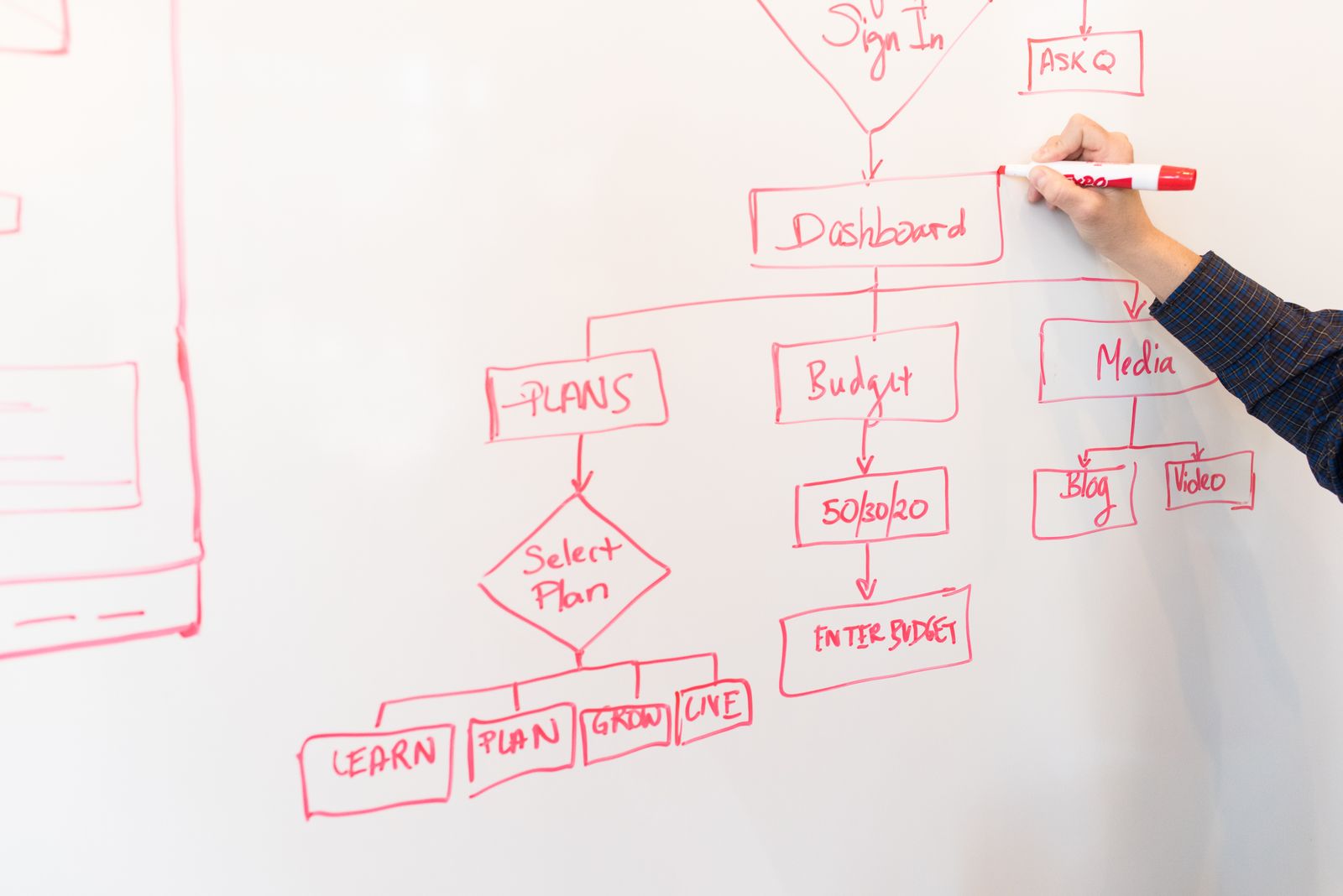
"AI agent" has become one of the most used (and most vague) terms in the industry. In practice, an agent is simply a system capable of chaining several steps autonomously to reach a goal: checking a piece of information, deciding on an action, executing it through a tool, then verifying the result.
The question we get asked most often isn't "what is an AI agent," but "where do we start." Here's the framework we use with our clients.
1. Start from a task, not a technology
The best starting point isn't "we want an AI agent," but a specific business problem: qualifying inbound leads, triaging support tickets, preparing weekly reports. The more repetitive and well-defined the task, the more likely an agent is to work well quickly.
2. Choose a low-risk, high-frequency task
A good first use case recurs often (to generate value quickly) and tolerates error (to leave room to refine the system). Avoid irreversible or sensitive decisions for a first production rollout.
The first agent doesn't need to be the most impressive one. It needs to be the one that proves the approach works, with as little risk as possible.
3. Define the boundaries before defining the capabilities
Before asking what the agent should be able to do, you need to define what it isn't allowed to do on its own: which actions require human validation, which data it can access, which decisions remain out of its reach.
- List the risky actions that require human confirmation
- Define a clear, auditable data scope
- Plan a simple mechanism to shut down the agent in case of unexpected behavior
4. Measure before you expand
An agent that works on one specific case isn't yet an agent ready to be generalized. Before widening its scope, measure: the rate of tasks completed without intervention, time saved, errors avoided. These numbers, more than technical sophistication, justify the next step.
In summary
Starting small, measurable, and reversible isn't a lack of ambition: it's the fastest way to arrive at an agent that actually delivers on its promises in production.